
Get it done
Every project is unique in some way. For ember mitigation, most of the tasks tend to involve combustibles removal, trimming/removing foliage and installation of rock mulch. Here are some general guidelines to help with organization and manage expenses. The major decisions that should be made for each task segment are:
- Can it/should it be started and finished in one time frame? Take into account who will be helping and how much time can they invest.
- Will professionals be hired for some or all of the work?
- What materials/supplies need to be brought in, and how will they get here?
- What refuse/trimmings need to be removed, and how will that work?
- Are the proper tools available?
- Are the proper skills available?
- Is a landscaper, gardener or handy-person available who can be enlisted for the work?
Much of this should have been addressed in the plan, that said, addressing the immediate often brings new insight.
Before starting
Start a file for your mitigation project. Take a picture of each area of the home that will be mitigated. Be sure to take an “after” shot as well. Save all receipts and price lists when available. Retain the business cards of any professionals that were involved. Have some way of identifying the bagged or bulk rock installed by product name and vendor, very likely more will be needed at some point.
Removing combustibles
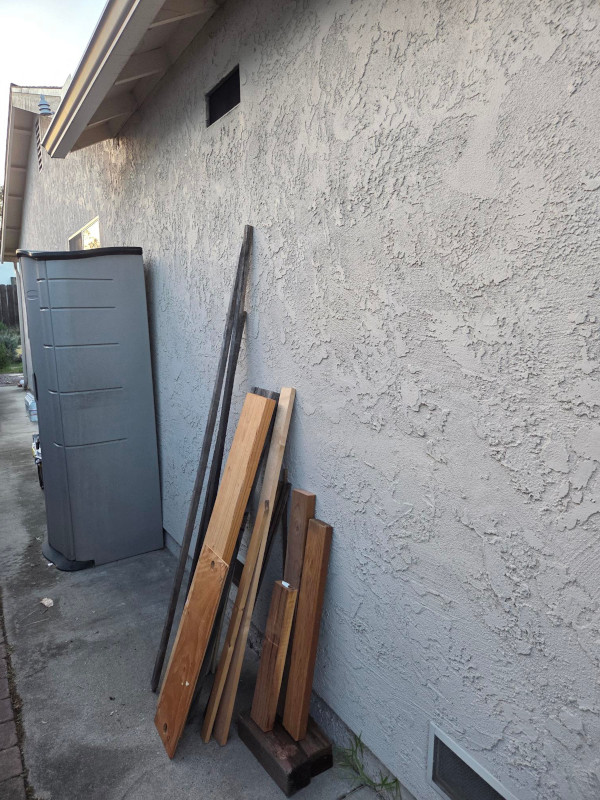
This task can require some soul-searching. People save building materials, construction rock (bags burn), patio furniture and garden amendments for years in the belief that the day will come. These are all combustible liabilities. Any building materials, aggregates or amendments that are in good shape might be put out on the driveway with a FREE sign, in most neighborhoods they move quickly. Patio furniture in good shape might be given away on NextDoor. Clean, untreated lumber can go into greens recycling
People tend to underestimate the real volume/weight of the things they have stacked around the house. Automated trash bins in the City of San Diego have a 300lbs. limit, and the lid has to close. People also forget that the bin they are filling over the weekend also has to hold the household trash on trash day. Ask neighbors if they will have some spare space. Parcel out the refuse over several weeks of collections. When it is just too much engage a hauler, and remember the service can often include hauling the material out of a back yard. Haulers overall do their best to recycle. Dump fees in San Diego are high these days, expect to pay well for good responsible service. The City of San Diego Greenery now charges residents a fee to dump greens at the Landfill, so DIY is not as cost-effective as it once was.
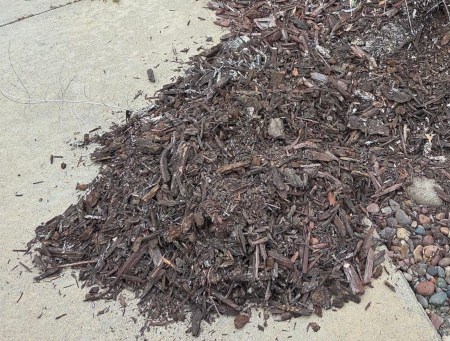
Chipped mulch can be a special problem, in that it is often installed 3-4 inches thick with an underlayment of landscape cloth. Removing it will generate a great deal of material contaminated with plastic, plan accordingly. Shreds of the cloth will stick up through rock mulch, so it is best to remove as much as possible.
Zone 0 landscaping with plants
The scope of this topic is too big for this website. Plants are allowed in Zone 0, see the guidelines. Plant into the dirt where possible, this creates soil organic material in the soil profile, which aids greatly in water retention. Native plants which are popular for this application, but they don’t always appreciate irrigation by spray head sprinklers, an irrigation overhaul before plants or rock may be a good move. Good spreading plants will preclude the need for mulch where they cover the ground.
When in doubt, take pictures of the site in morning and afternoon light and consult a professional. Lean towards cultivars of native plants if possible.
Resist the urge to plant larger plants just outside Zone 0 in Zone 1. Remember the discussion of flame length earlier. If the wind is strong enough and the plant is close enough and dense enough, a flame can still get up under the eaves.
For advice on what to plant, take a look at the County’s Fire Safe Plant List
How to buy and install rock mulch
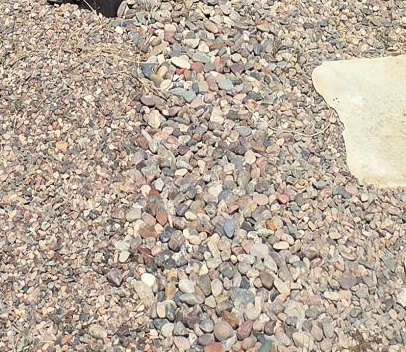
Rock is heavy. It is available in bulk, in bags, and by the larger piece purchased by the pound. Bulk and bagged rock is graded by size, priced by size, shape and color. Better looking rock is usually more expensive, but a large part of the price comes from the length of the journey the rock took to get to the Dealer’s yard. So shop with a critical eye, a camera and a price sheet. Remember home improvement centers have their products online, making it possible to see it in person, then order online. People generally prefer to hand select the larger pieces.
When buying large statement rocks (200 lbs. and up) select at the yard, get them delivered and pay for forklift service if available. Delivery service will place and orient them, but be rational please.
A good way to estimate need is to bring a few bags of each size home, hand spread to the desired depth and then roughly calculate how much more you will need. It is better to go a little thicker, or there will be holes when it settles. For smaller rock, it is good to have a partial bag left over that can be used to fill holes.
Landscape cloth under rock mulch is a topic of debate. It will not hold the weeds back for long, so apply seed preventer even if you use fabric. The fabric has value if the mulch ever needs to be removed, fabric makes it much easier.
As much as possible, remove all debris or imperfections from the surface that will receive the rock. Rock mulch doesn’t hide imperfections, in fact it tends to enhance them.
Commercial landscapers often prefer to get rock mulch delivered in bulk and installed by a wheelbarrow team, it is faster and more economical. It can be rather bland, so they use plantings and garden features to draw the eye away from the ugly rock.
General tips
Buy several pairs of gloves, they wear out quickly when handling rock. Never carry when a cart is at hand, and order forklift service if possible. Buy larger loads when possible, and have them delivered, repetitive trips to get more rock that must then be hand-loaded has held back many projects.
Pacing is important, this can be hard work. Quit before exhaustion. These days a hat and sunscreen are a must.
Keeping it up
In order for these efforts to continue to provide protection, they have to be maintained. Plants should be trimmed to limit total biomass. Avoid shearing techniques, which can result in dead, dry interiors. Do maintenance with Zone 0 in mind.